
Careful work. Built to last.
A selection of projects, repairs and pieces of work that show the care, skill and attention to detail that goes into everything I do.
Jenny - My First Canoe
BOATBUILDING
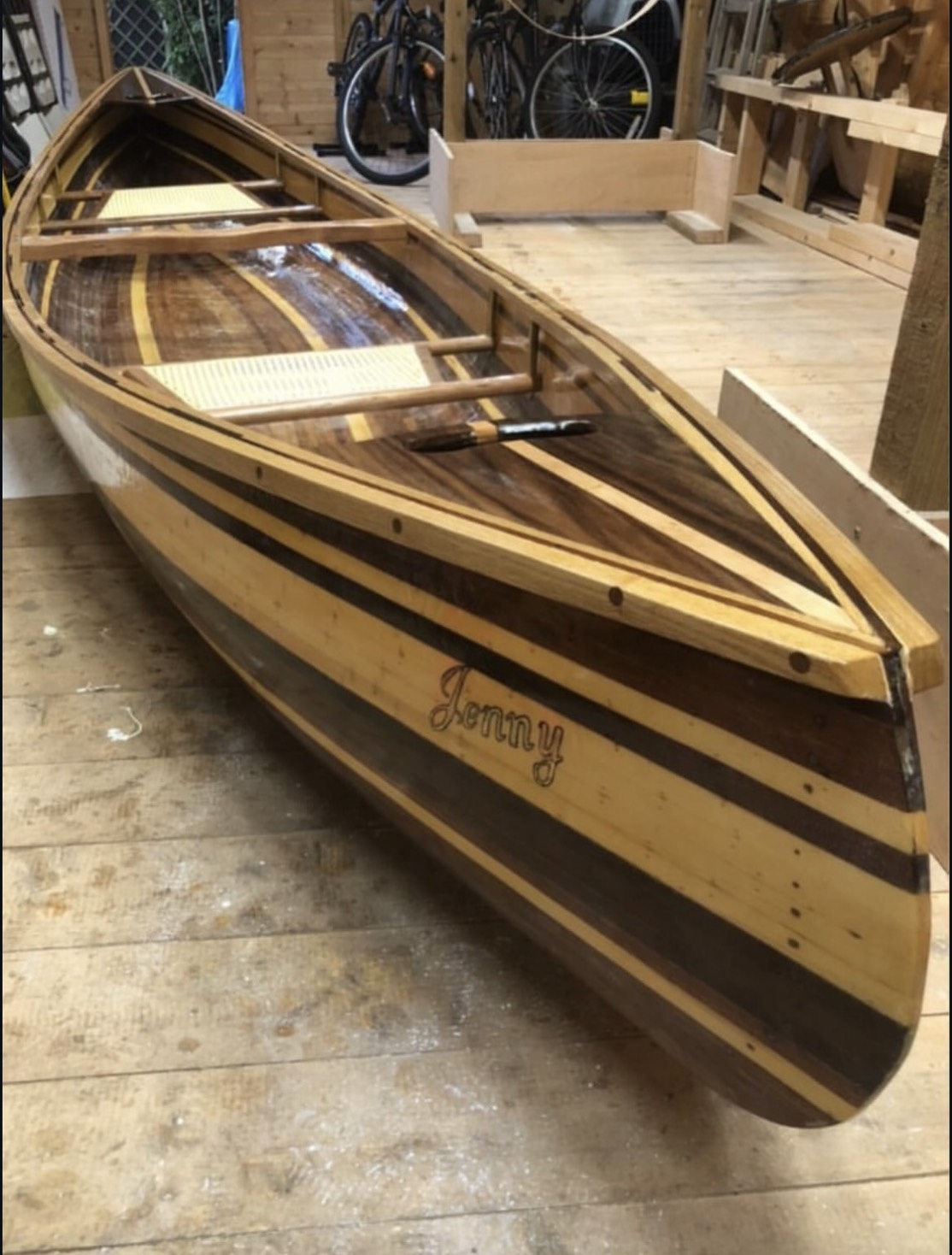
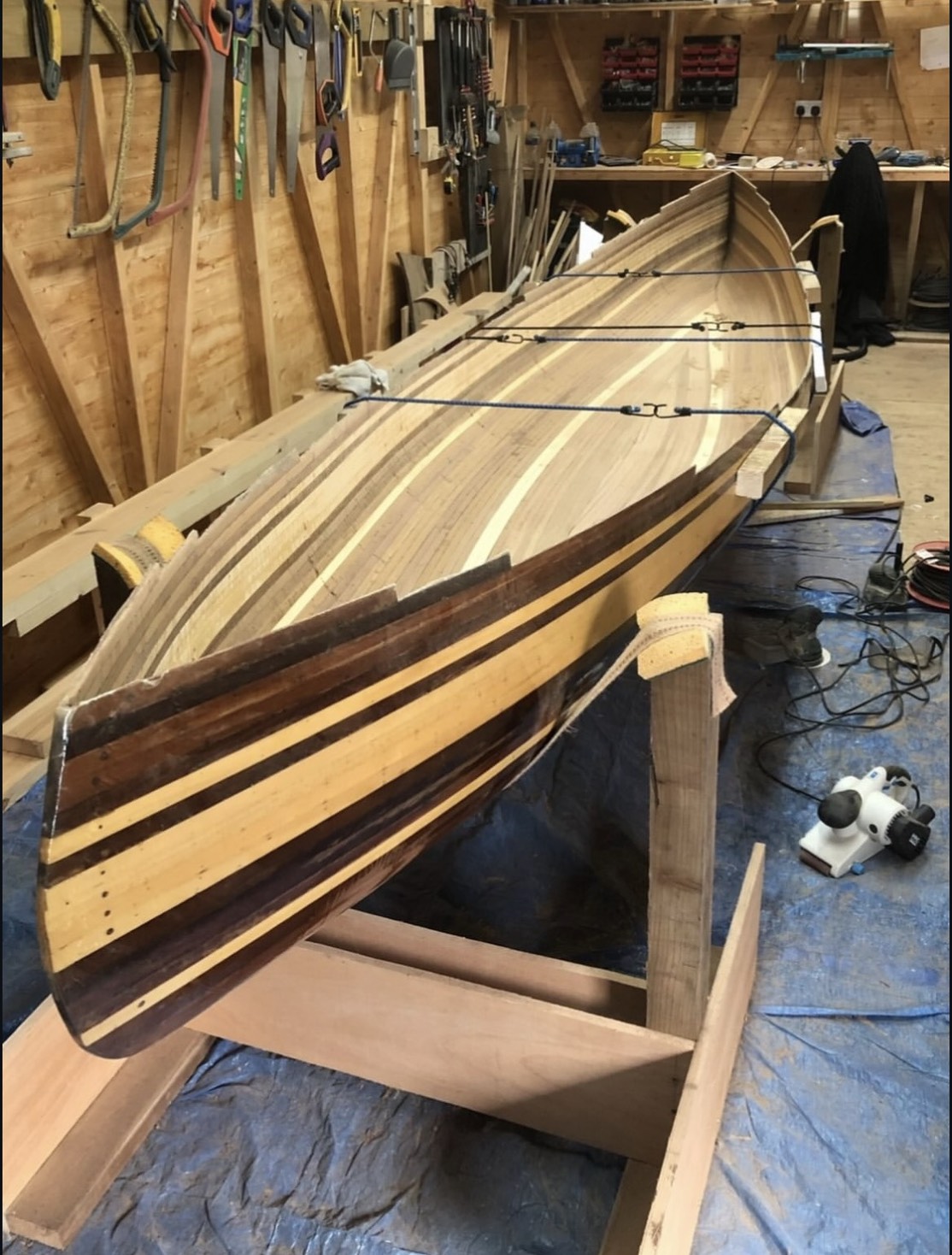
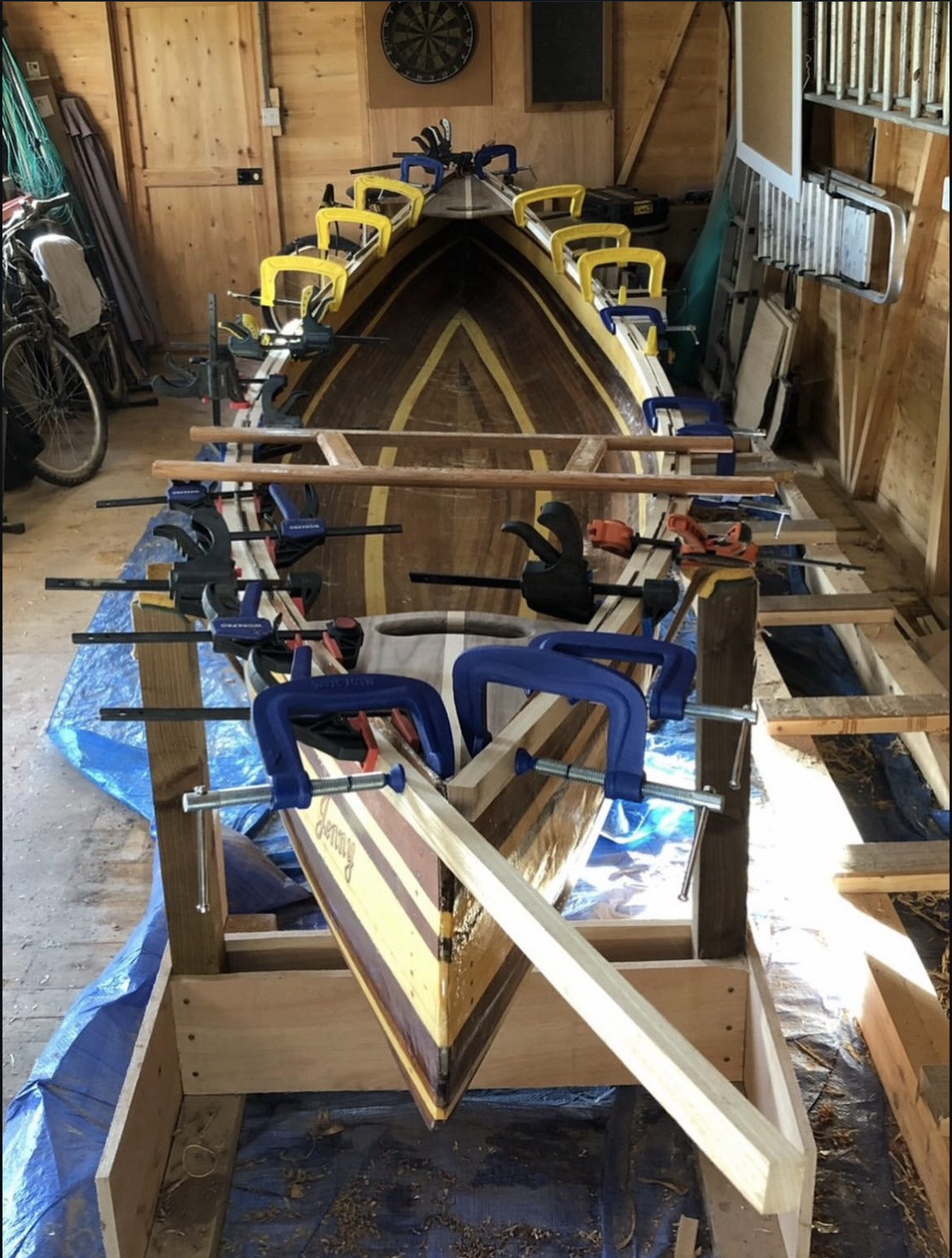
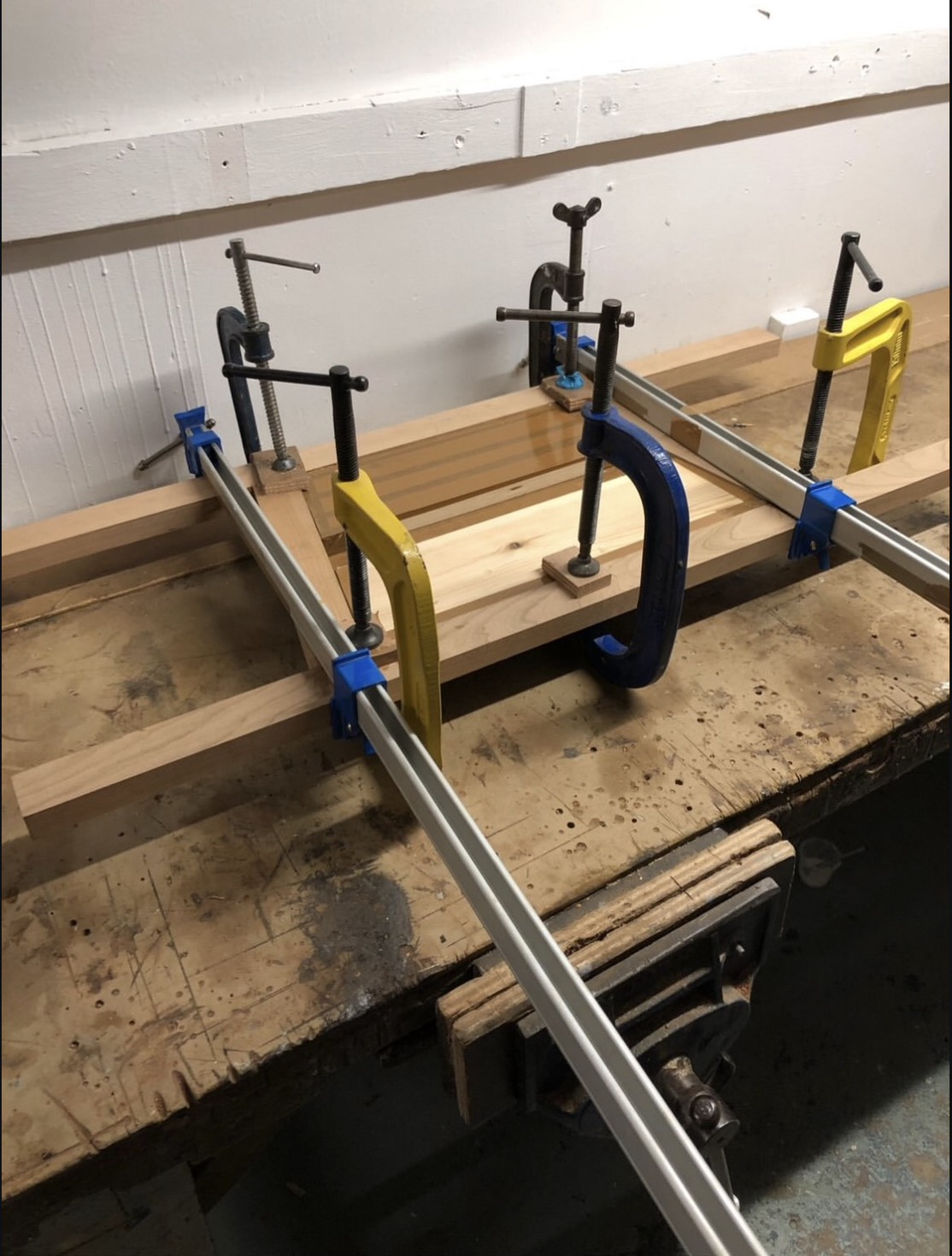
Jenny was my very first build – a 15ft cedar strip canoe. Looking back now, there are definitely things I would do differently if I were to build her again.
One of the biggest lessons was the importance of properly fairing the moulds, which can be achieved using a torture board. At the time, I was completely oblivious to this little-known detail. Getting the moulds right at the beginning makes a huge difference further down the build and ultimately affects the accuracy and fairness of the hull.
I also learnt the value of cleaning up excess glue as you go. It saves a lot of time, mess and frustration later. For this build, I used staples to hold the strips together while the glue cured, but knowing what I know now, I’d use an alternative clamping method to avoid the extra work of dealing with staple holes.
The epoxy and glassing on the inside of the hull could definitely have been better, and the rattan seating was another area where I’d improve the finish. There were also a few firsts for me at this stage of my career – steaming and shaping the gunwales, and applying gold leaf to the name.
Jenny certainly wasn’t perfect, but she was a fantastic Every mistake became a lesson, and every lesson has gone into the boats I’ve built since. My first boat and the project that started everything. Jenny certainly wasn’t perfect, but she was a fantastic teacher. Every mistake became a lesson, and every lesson has gone into the boats I’ve built since.
Cats Paw
Repairs
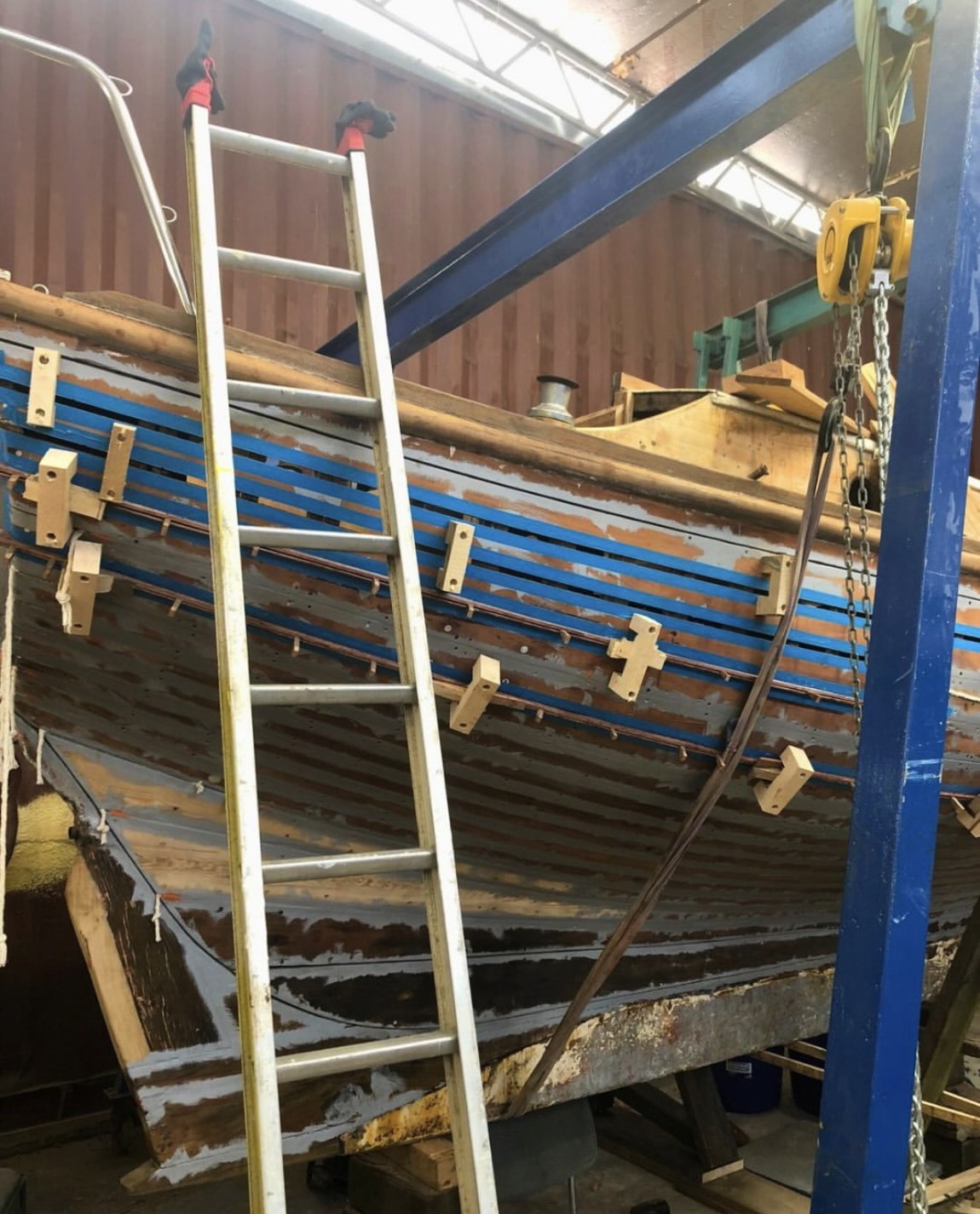
One of the earliest project boats I worked on at Woodbridge was Cats Paw, a Blackwater 3-Tonner.
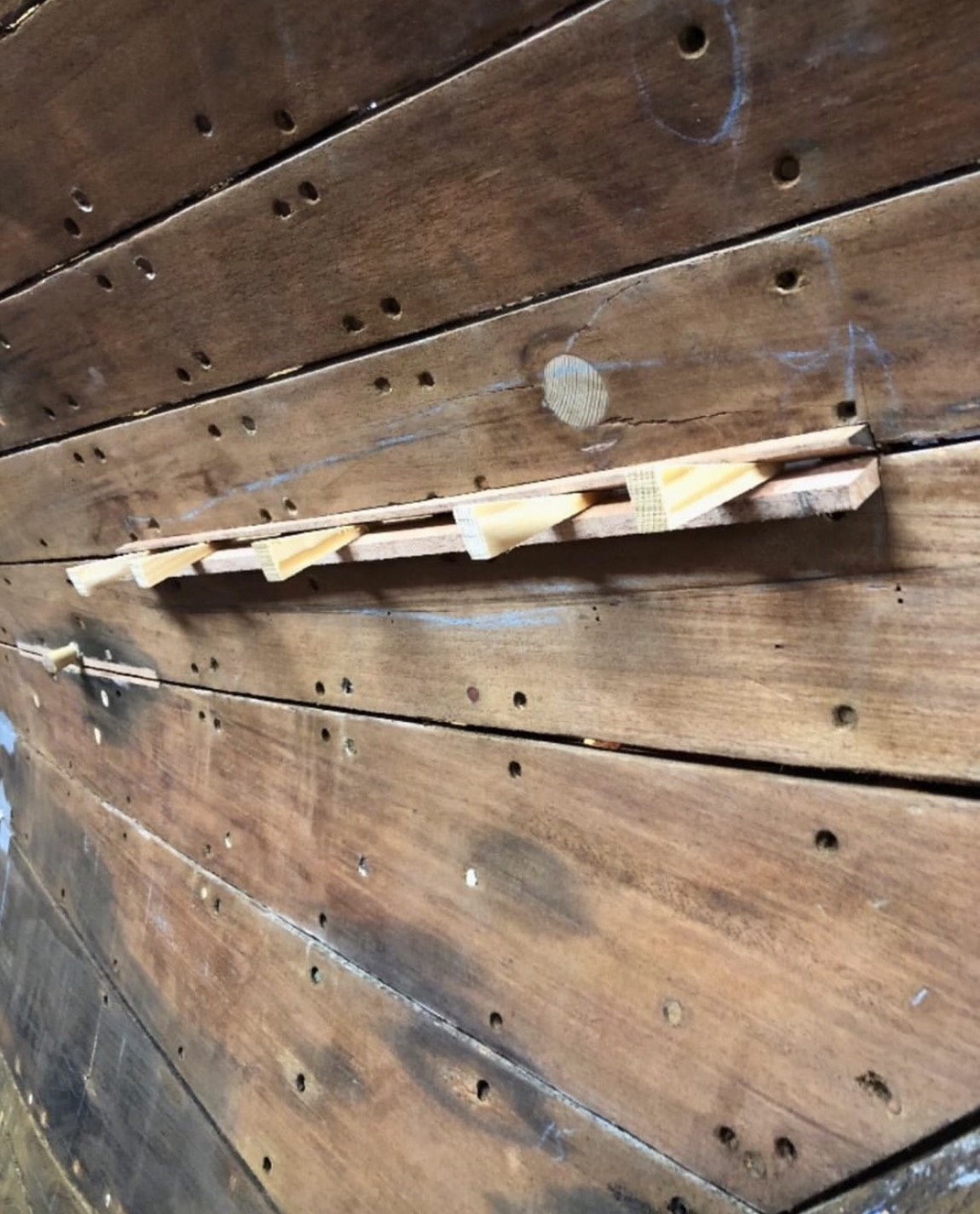
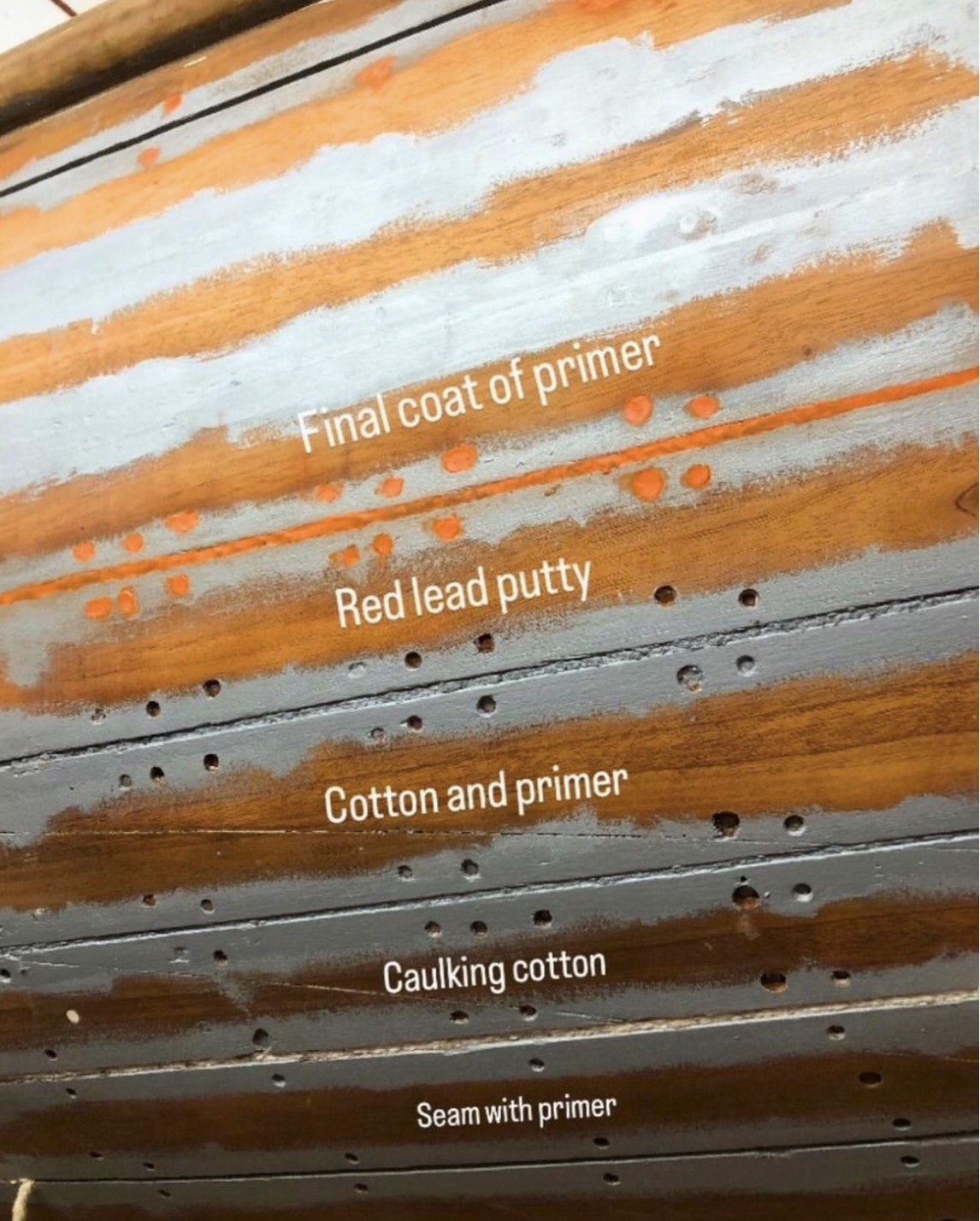
One of the main issues was that the planking seams were particularly wide or damaged and in many cases the seams had to be reconstructed to allow the caulking cotton to sit in.
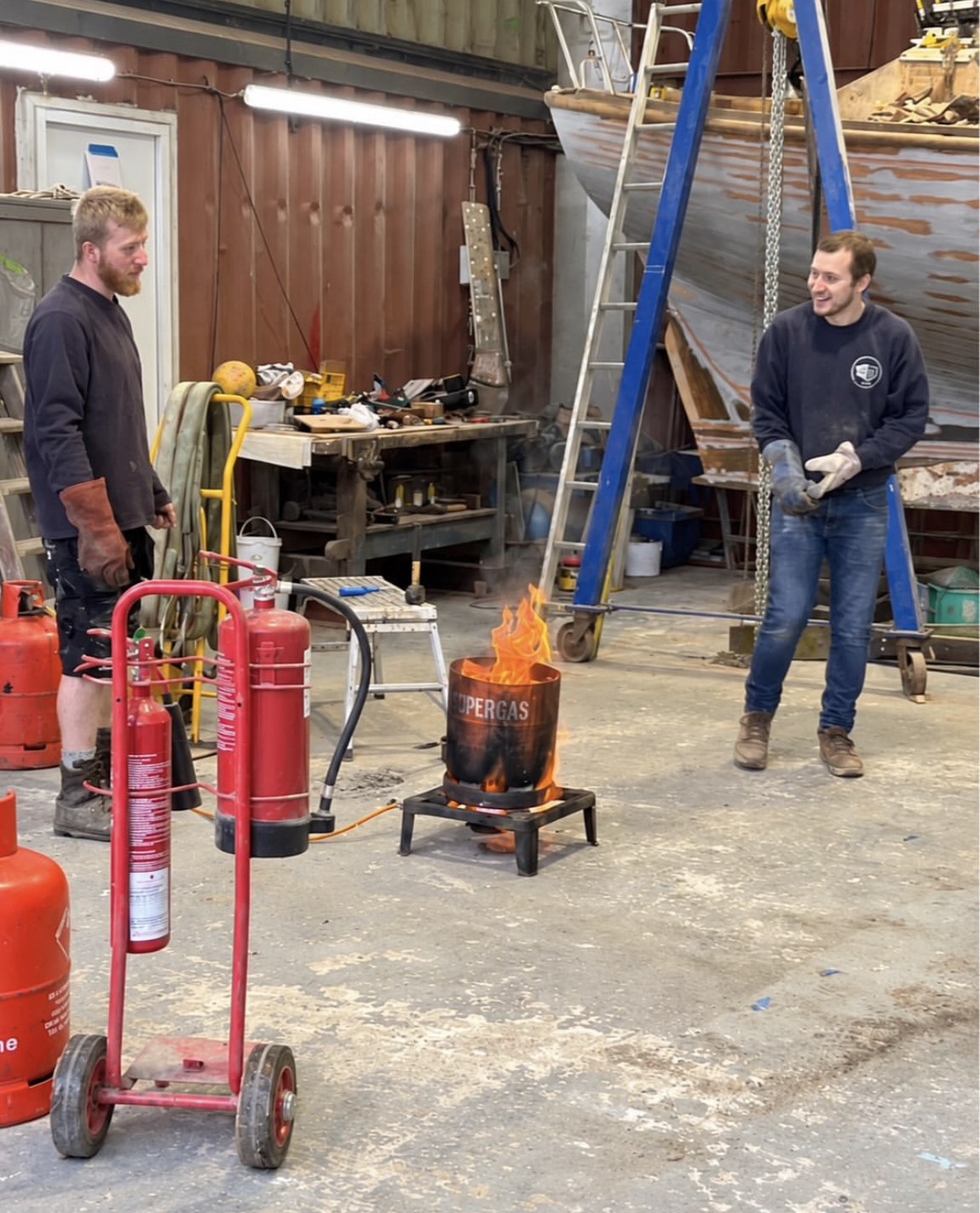
This was also a great opportunity to work with some proper traditional boatbuilding materials and methods. Pitch was used between the deadwood and planking,
while red lead putty was used in the caulking seams.
For the butt blocks, rather than using modern polyurethane bedding compounds, a more traditional mixture of red lead putty, linseed oil and grease, together with a hessian patch, was used to create a watertight joint.
Work like this really highlighted the difference between simply repairing a wooden boat and understanding how
it was originally built and why those traditional methods worked.
One of the main issues was that the planking seams were particularly wide or damaged and in many cases the seams had to be reconstructed to allow the caulking cotton to sit in. This was also a great opportunity to work with some proper traditional boatbuilding materials and methods.

Nancy Jane
Repairs
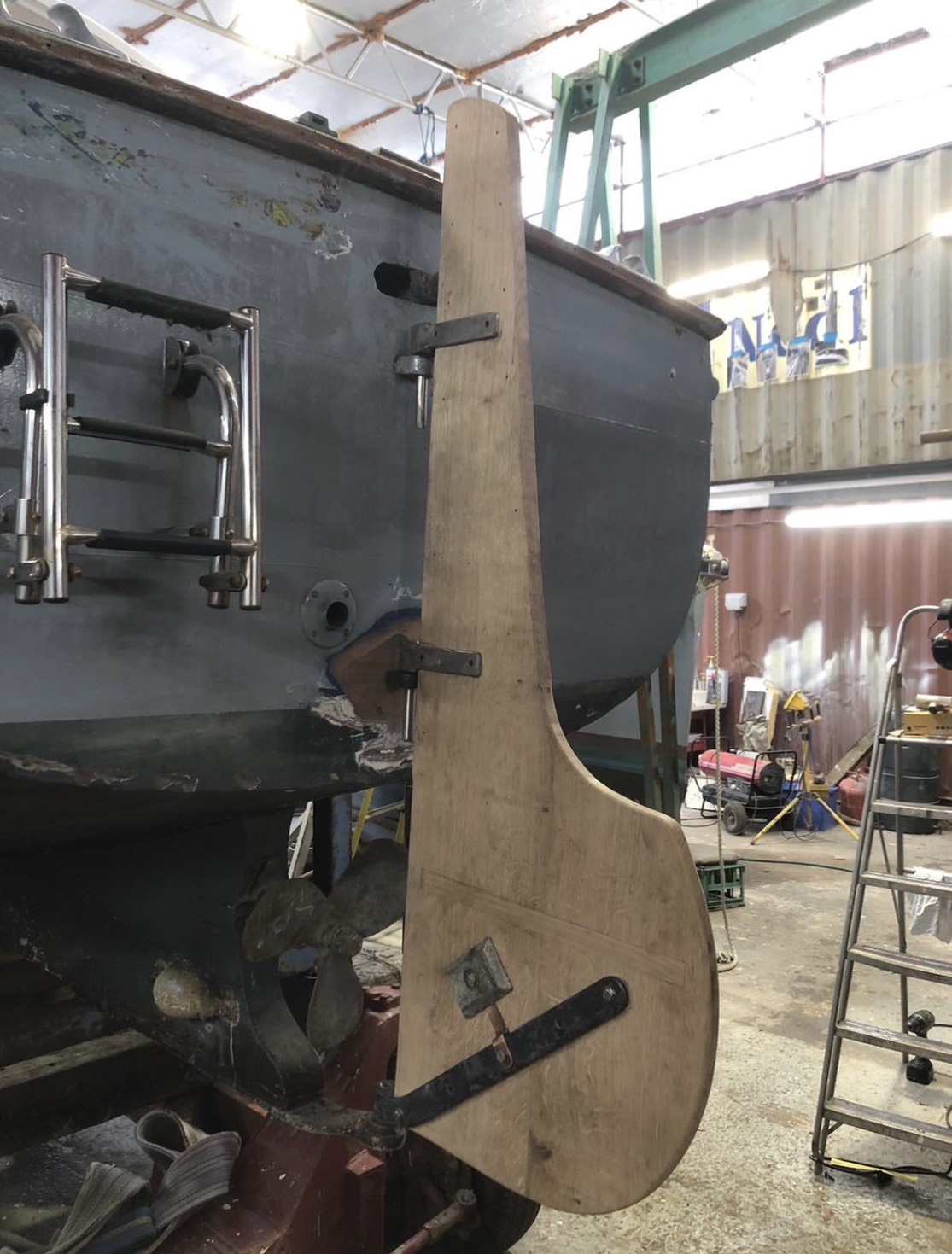
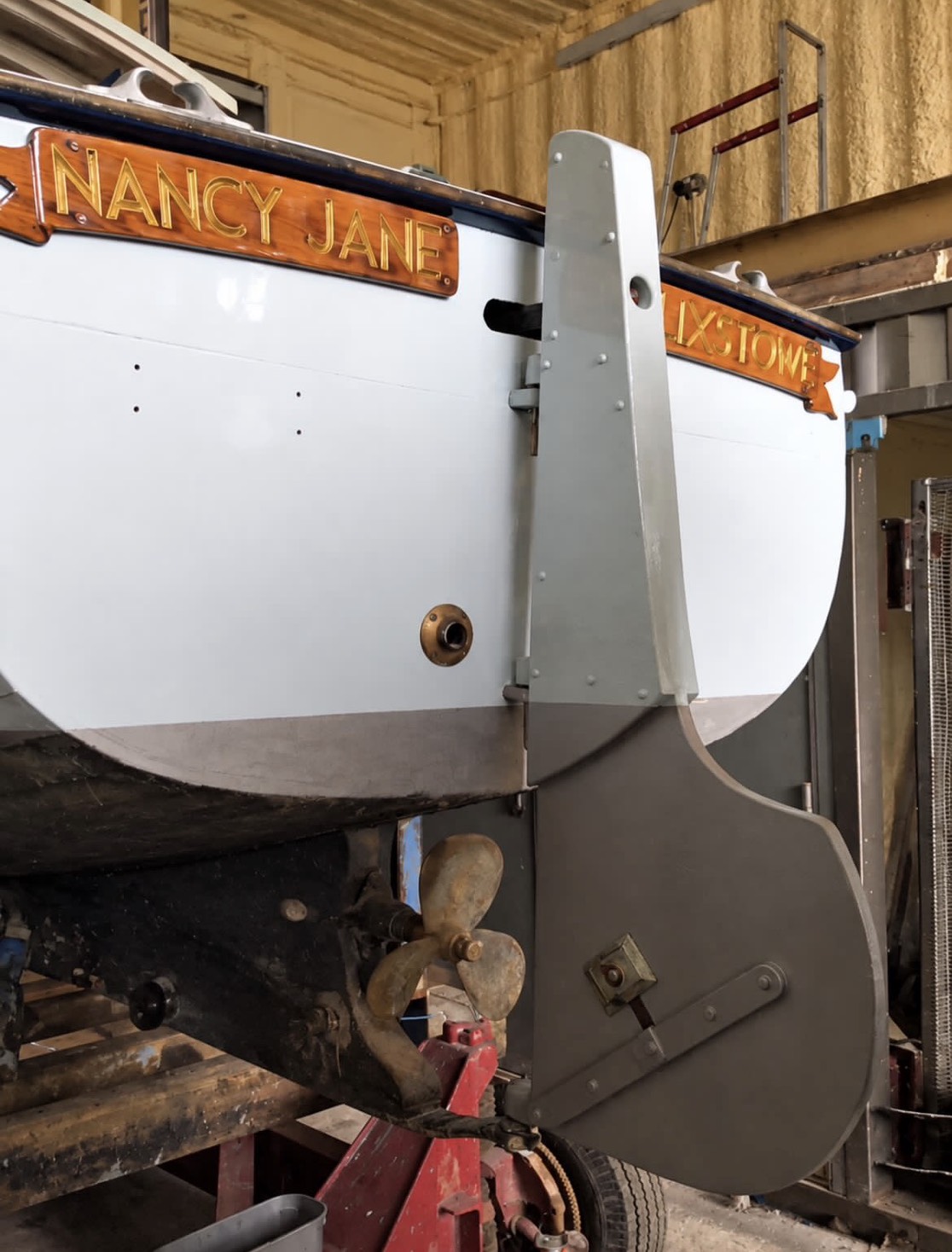
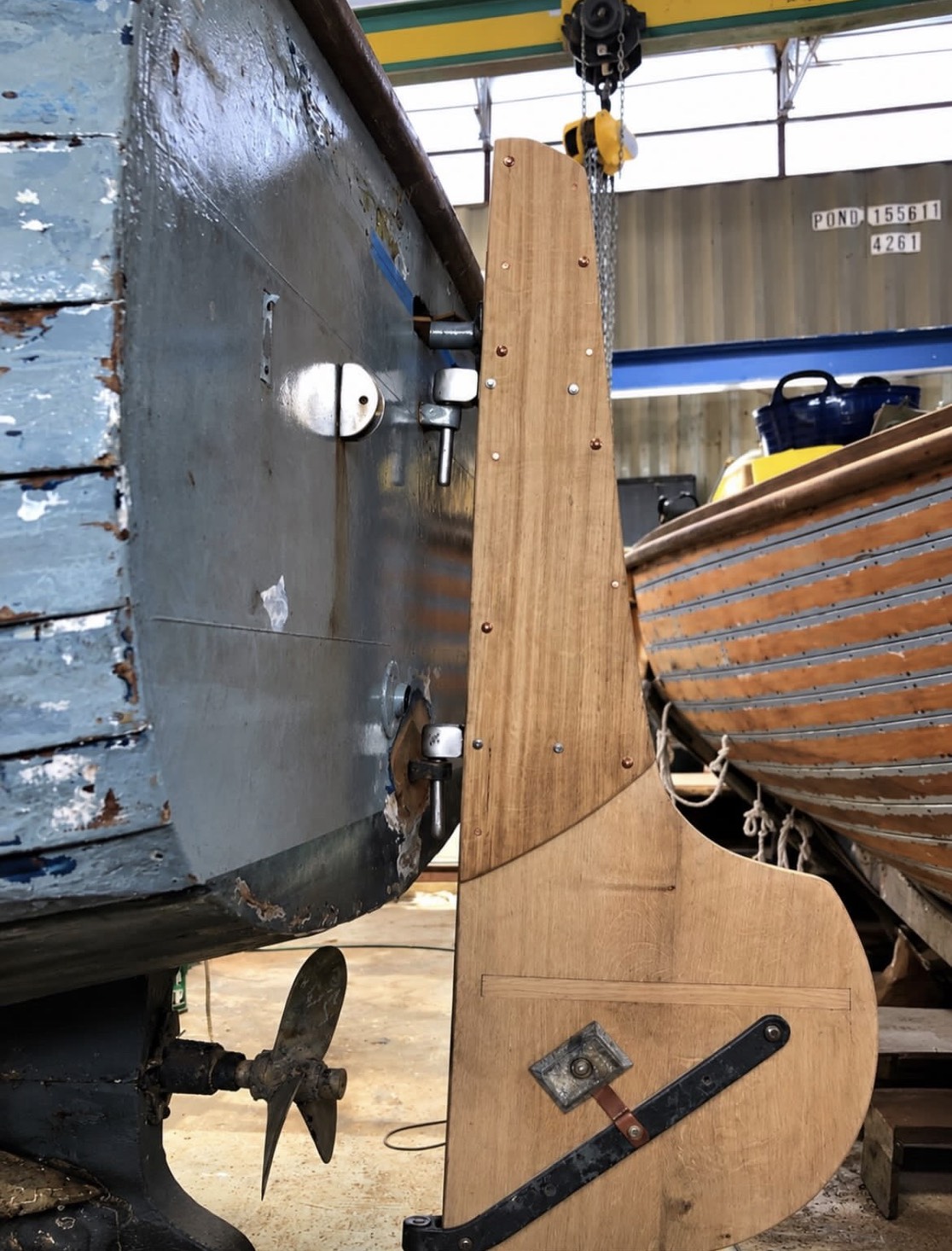
One of the earlier projects I worked on was making a new wooden rudder – from shaping the timber and fitting the hardware, through to getting it ready to go back on the boat.
NINA
Major Restoration
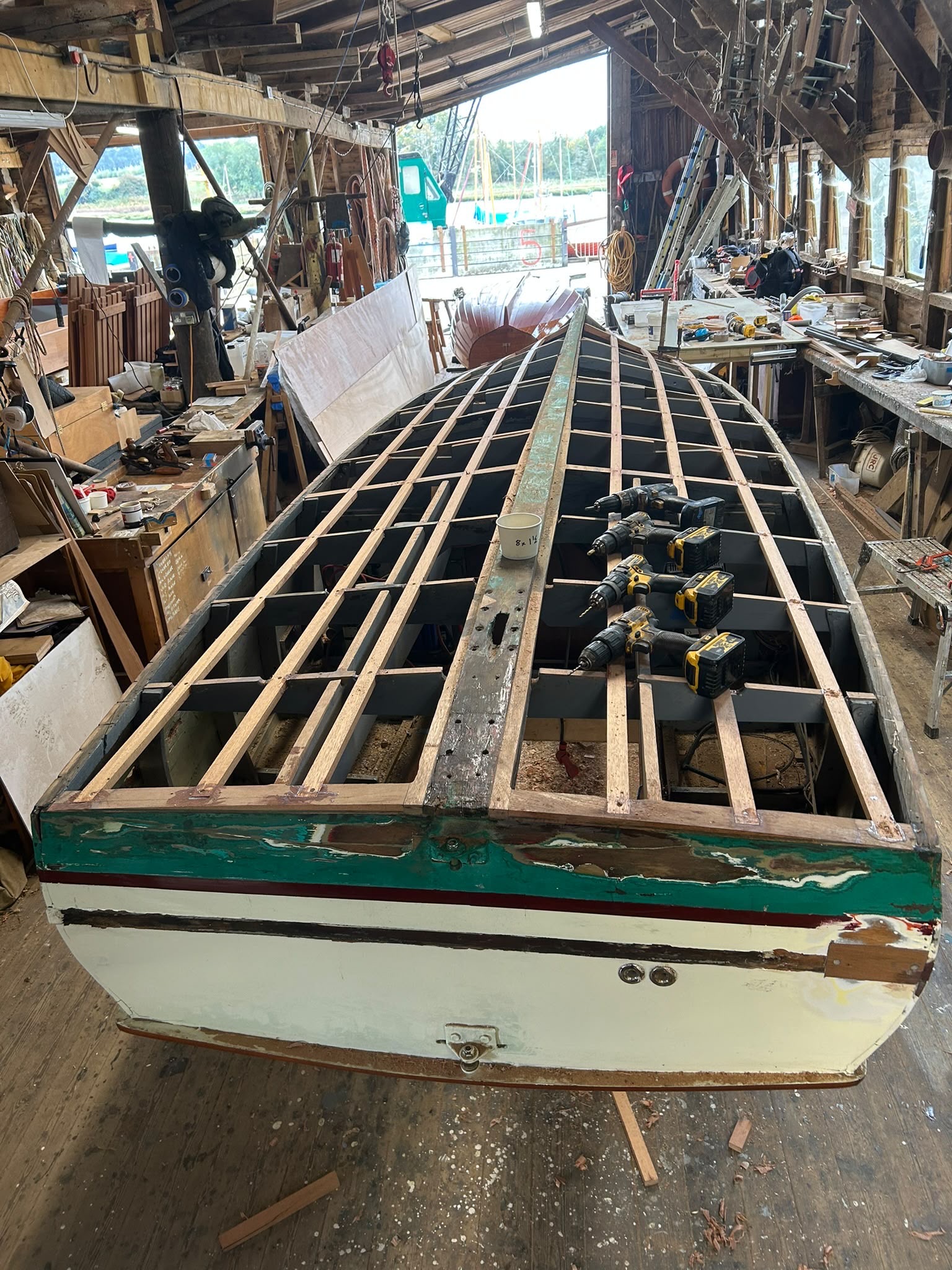
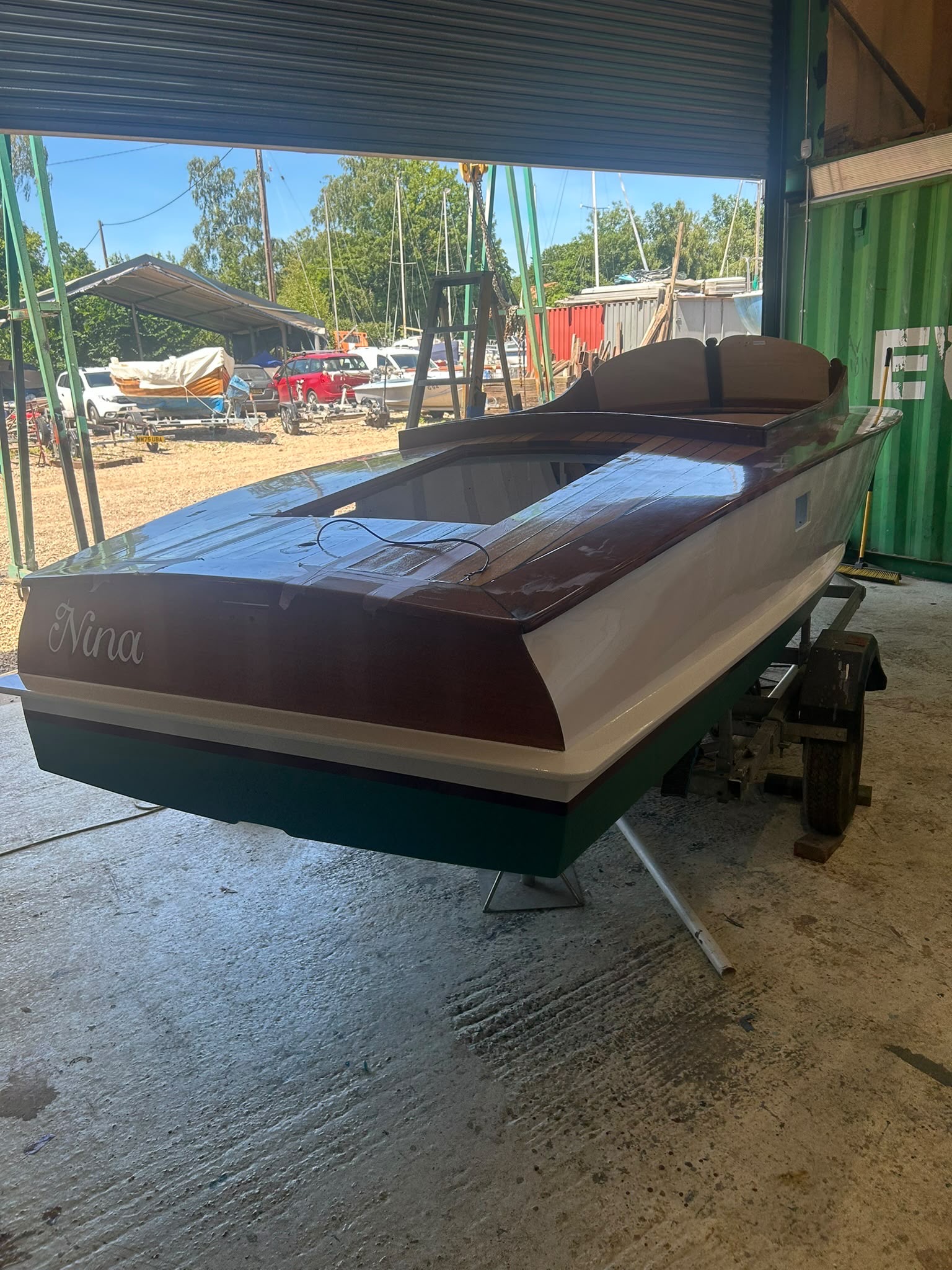
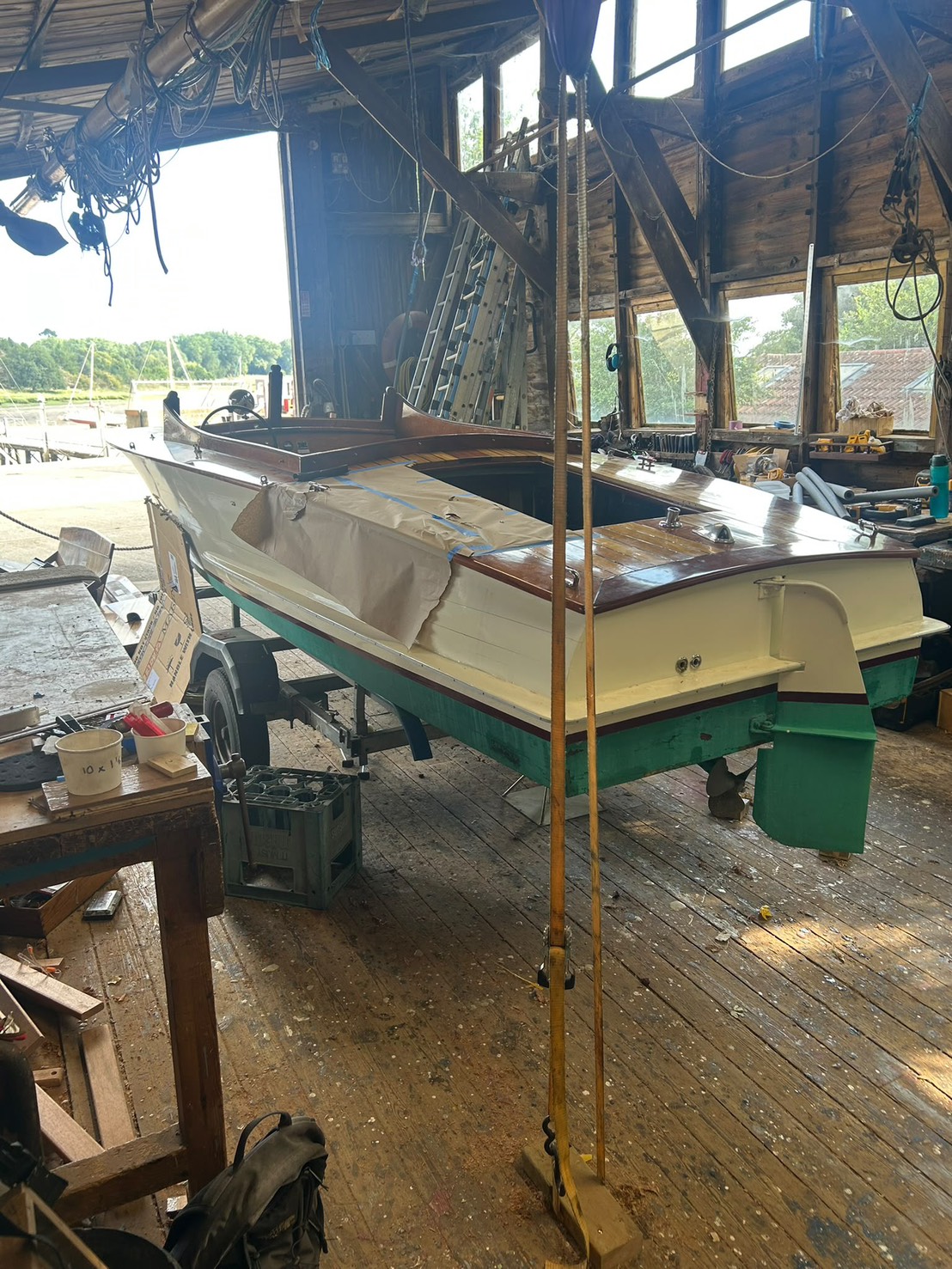
Nina was a classic wooden boat brought into Woodbridge Boatyard for a major restoration. The boat also had a notable history, having previously been owned by George Clooney.
The restoration involved extensive structural work, including a completely new plywood bottom, vacuum-bagged in place and subsequently glassed, providing a strong and durable new structure. The transom was replaced, sections of strip planking were renewed, and new spray rails were made and fitted.
Clythie Orford 10
Restoration & Conversion
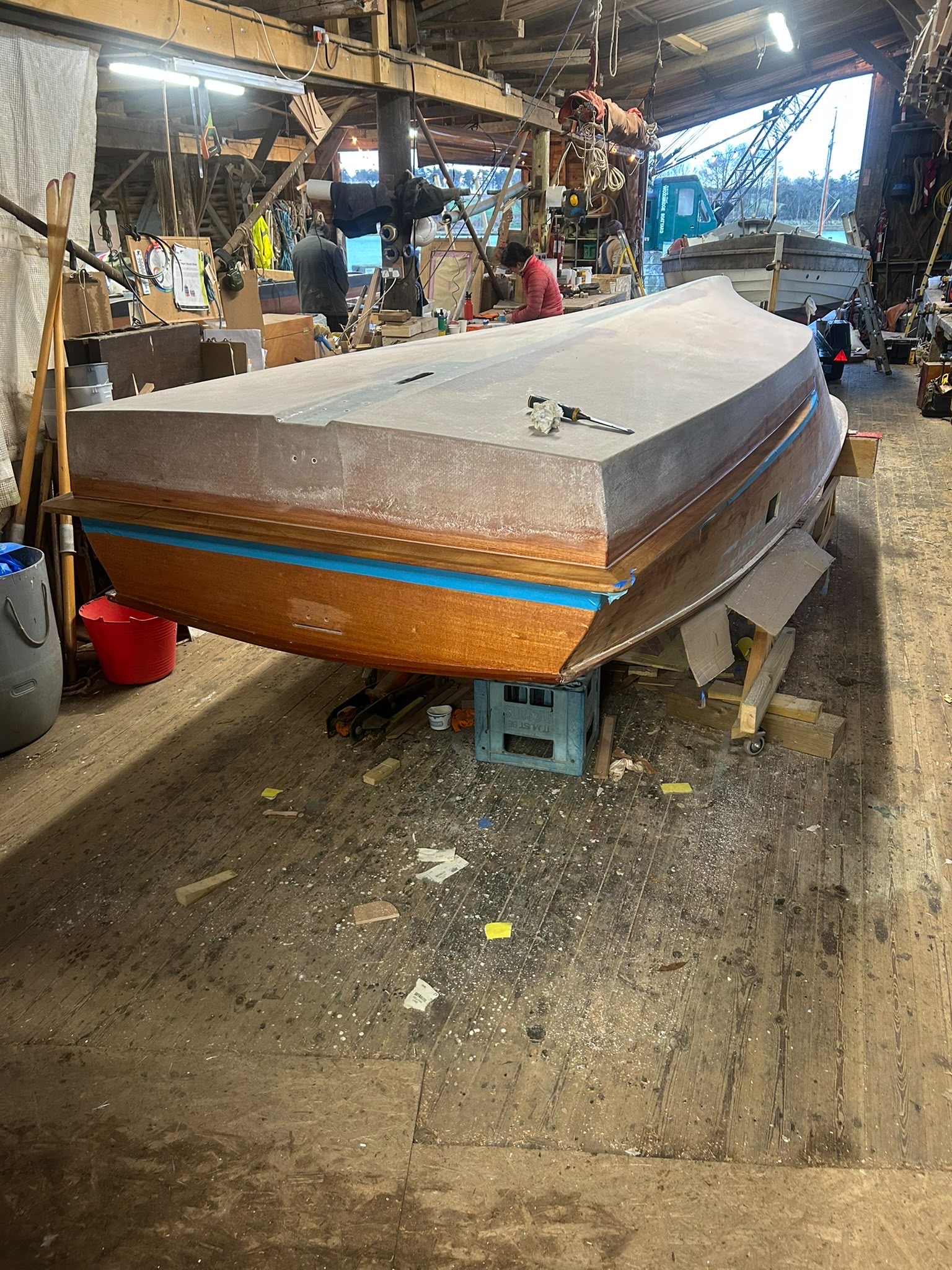
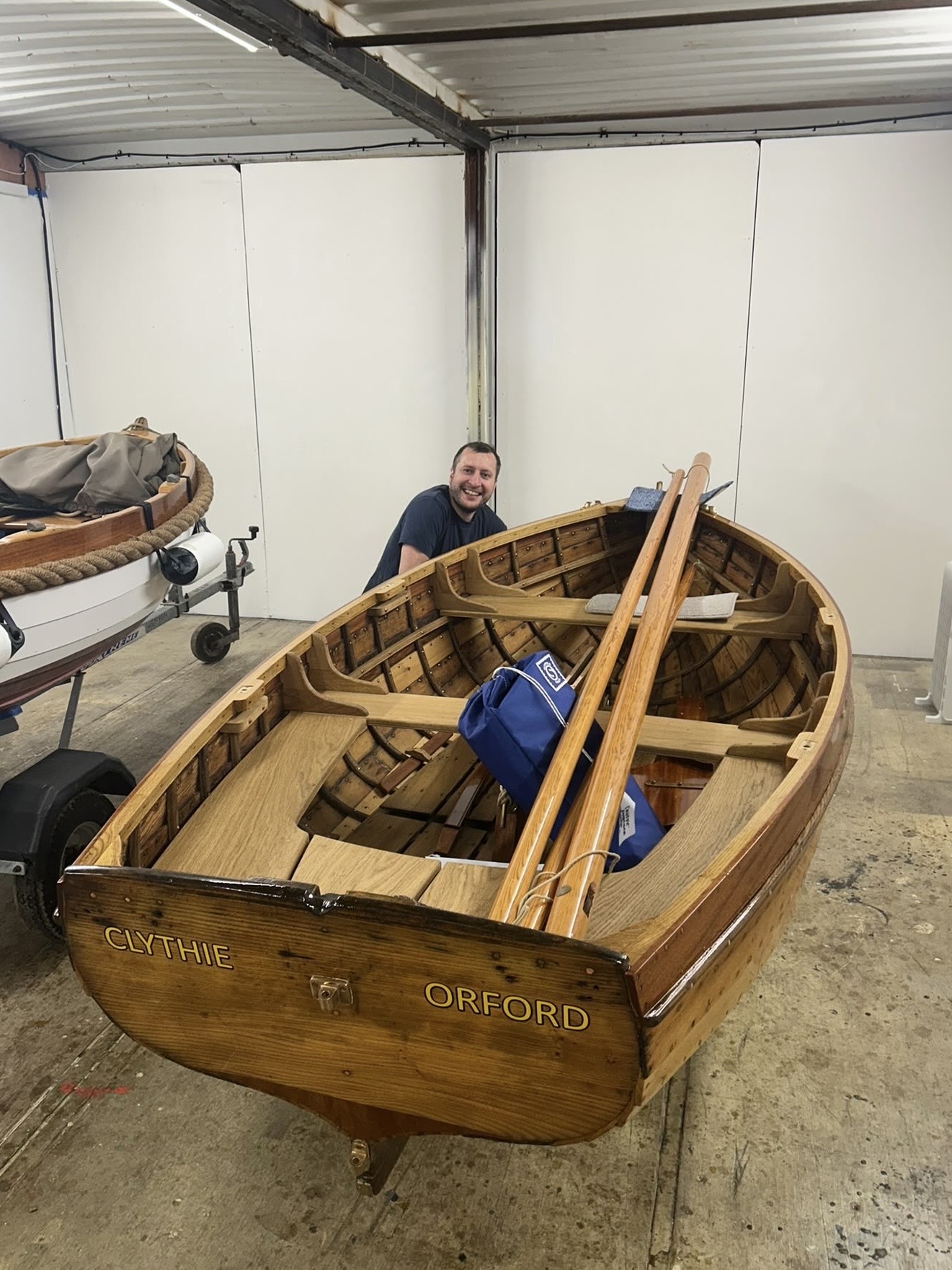
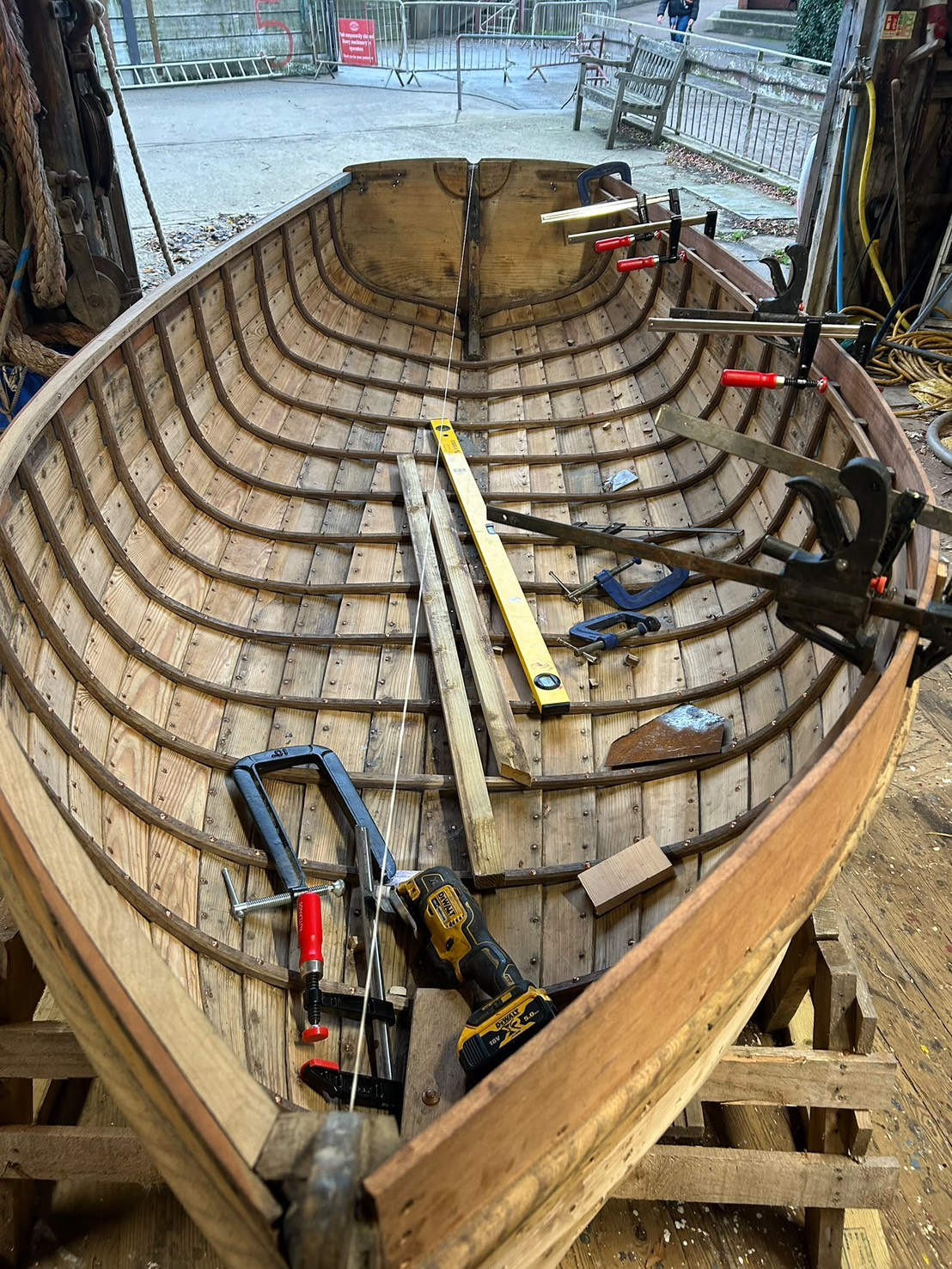
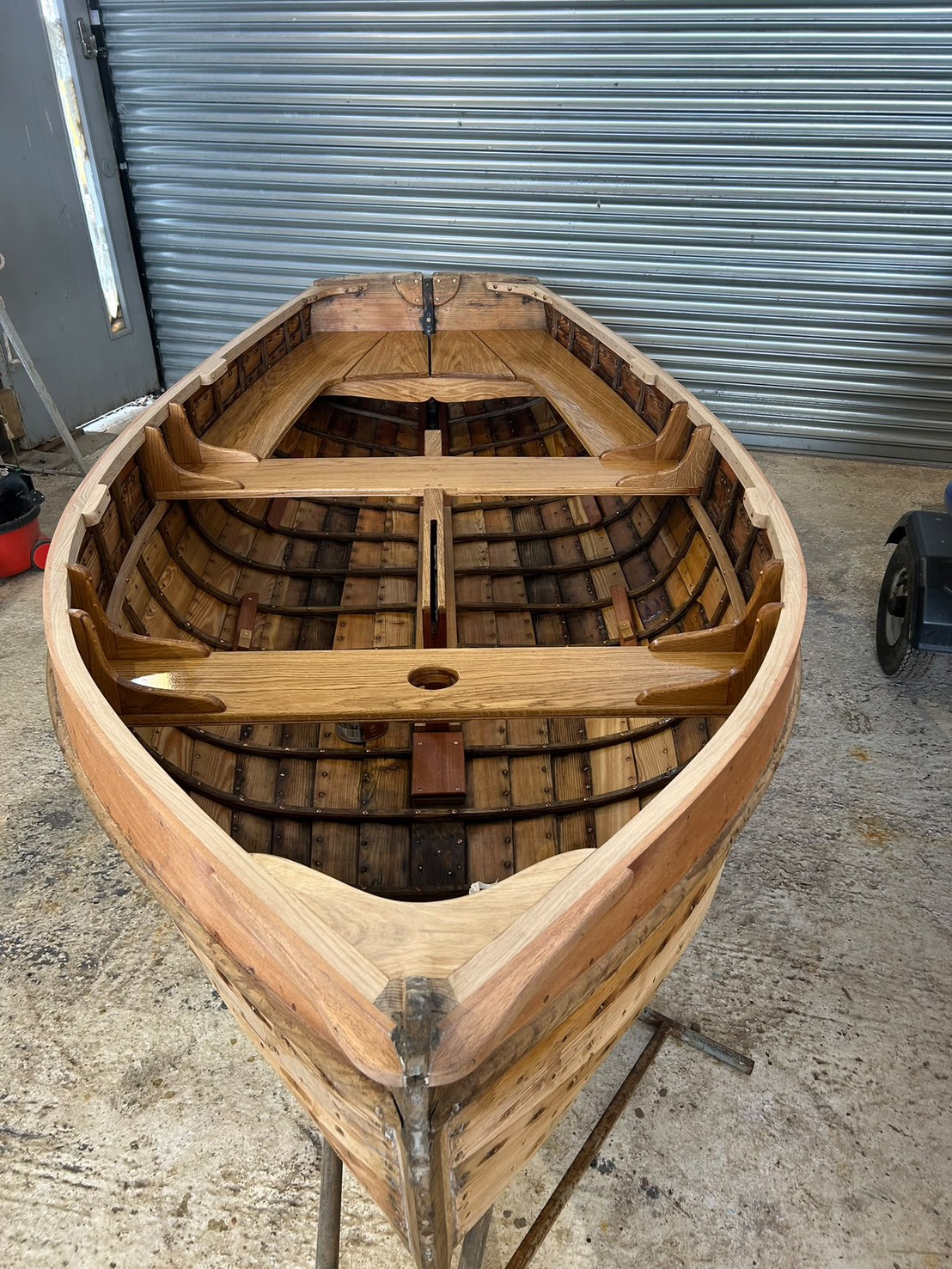
The project involved significant structural renewal while retaining the character and traditional construction of the original boat.
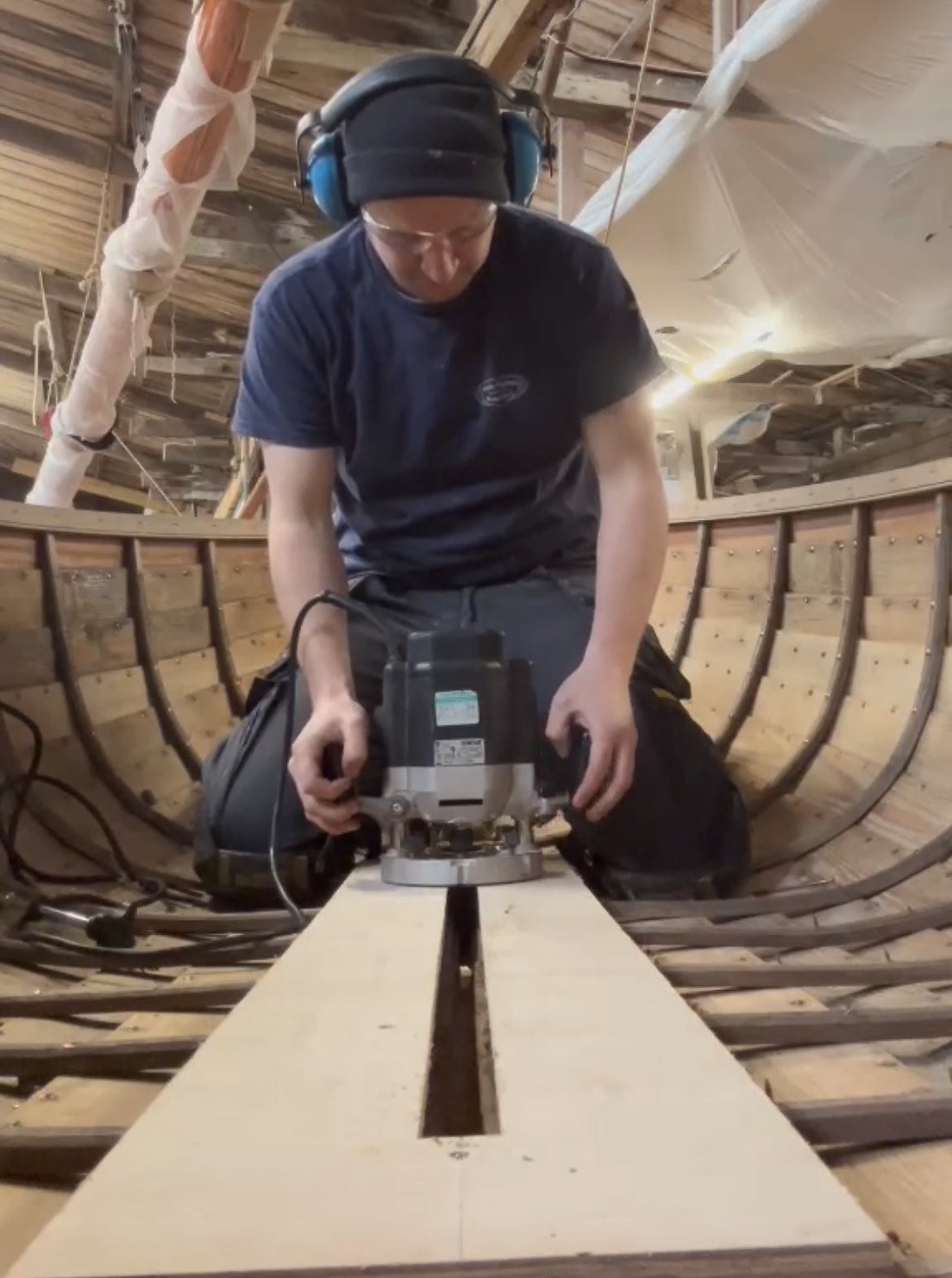
I replaced nine planks and a complete set of new ribs were fitted, along with new gunwales and repairs to the lower end of the transom and apron. The sailing arrangement was also upgraded, with the original daggerboard converted to a centreboard, together with a new rudder, mast and spars. Inside, the boat received a complete new fit-out, including bespoke wrap-around seating and renewed internal timberwork, designed to complement the character of the original hull.
BETA II
Woodbridge Boatyard – Deck Restoration
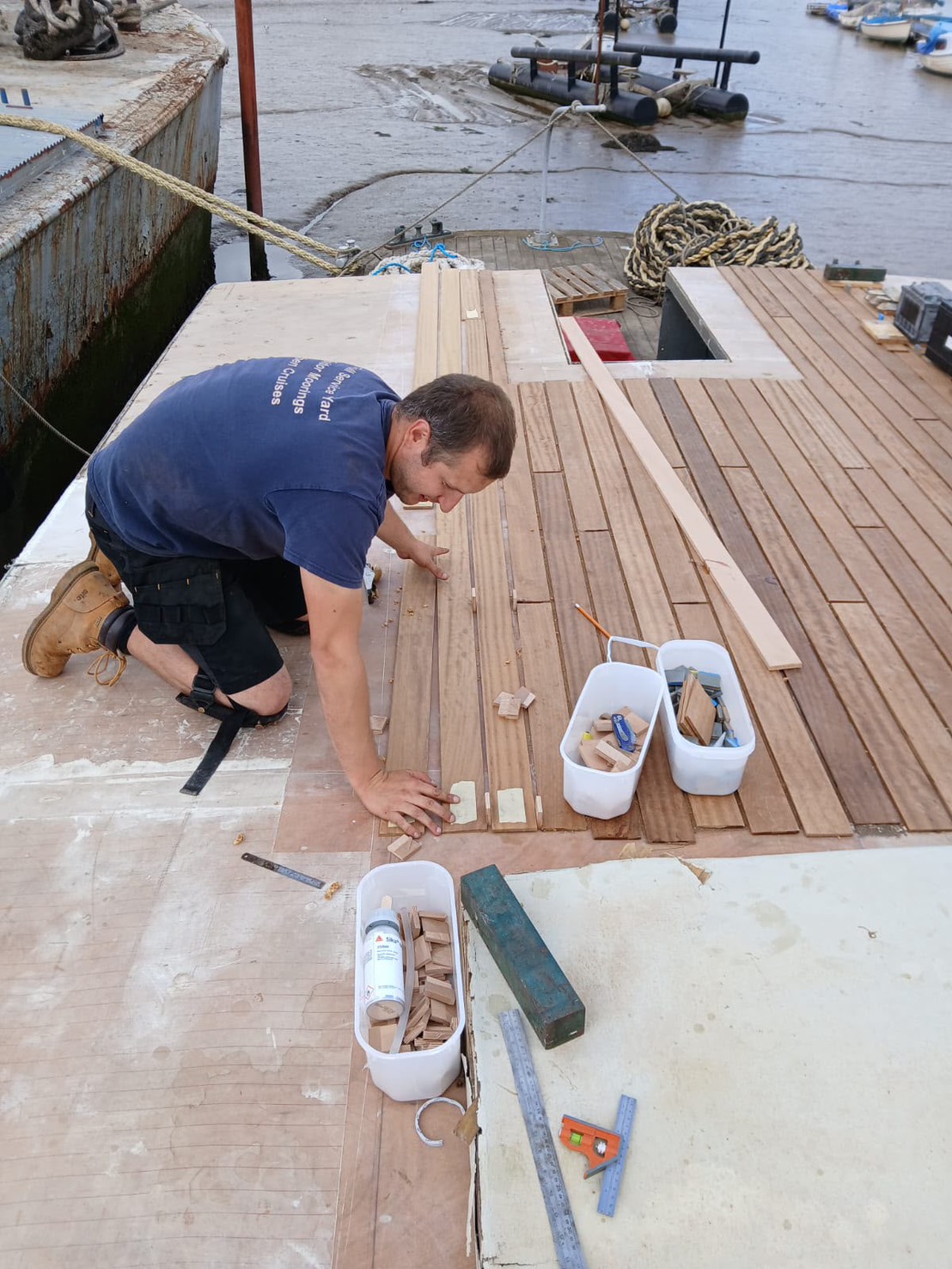
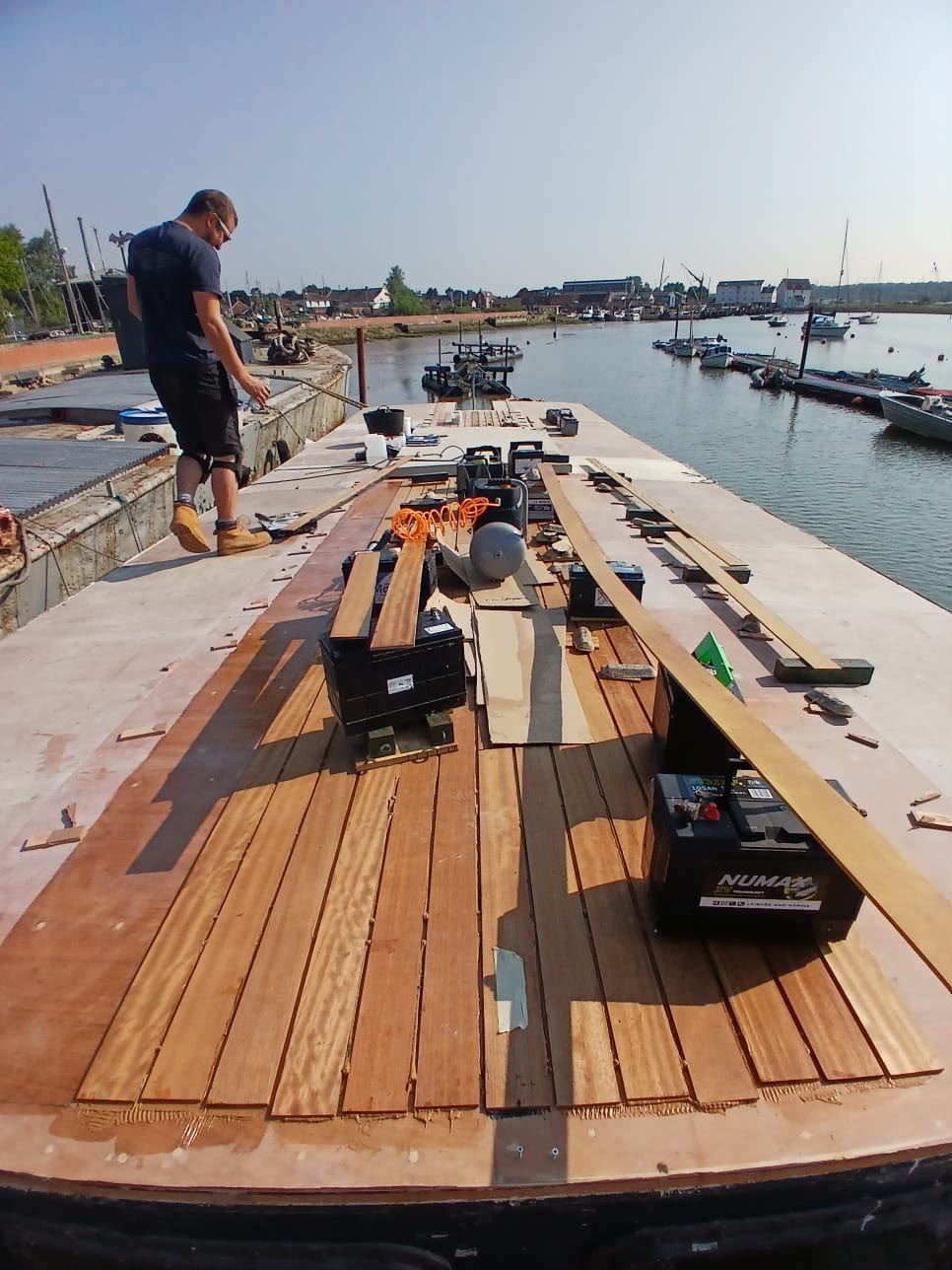
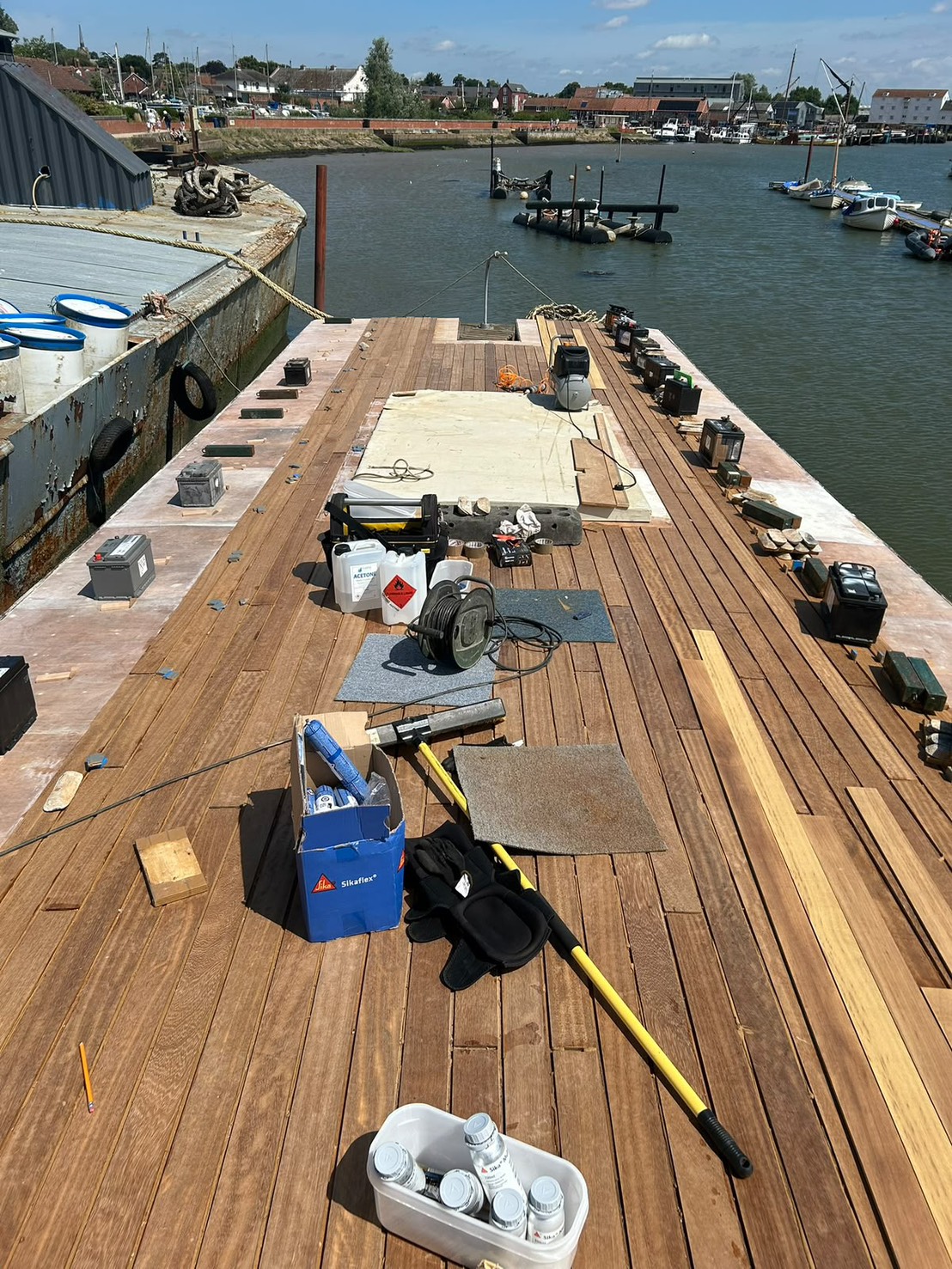
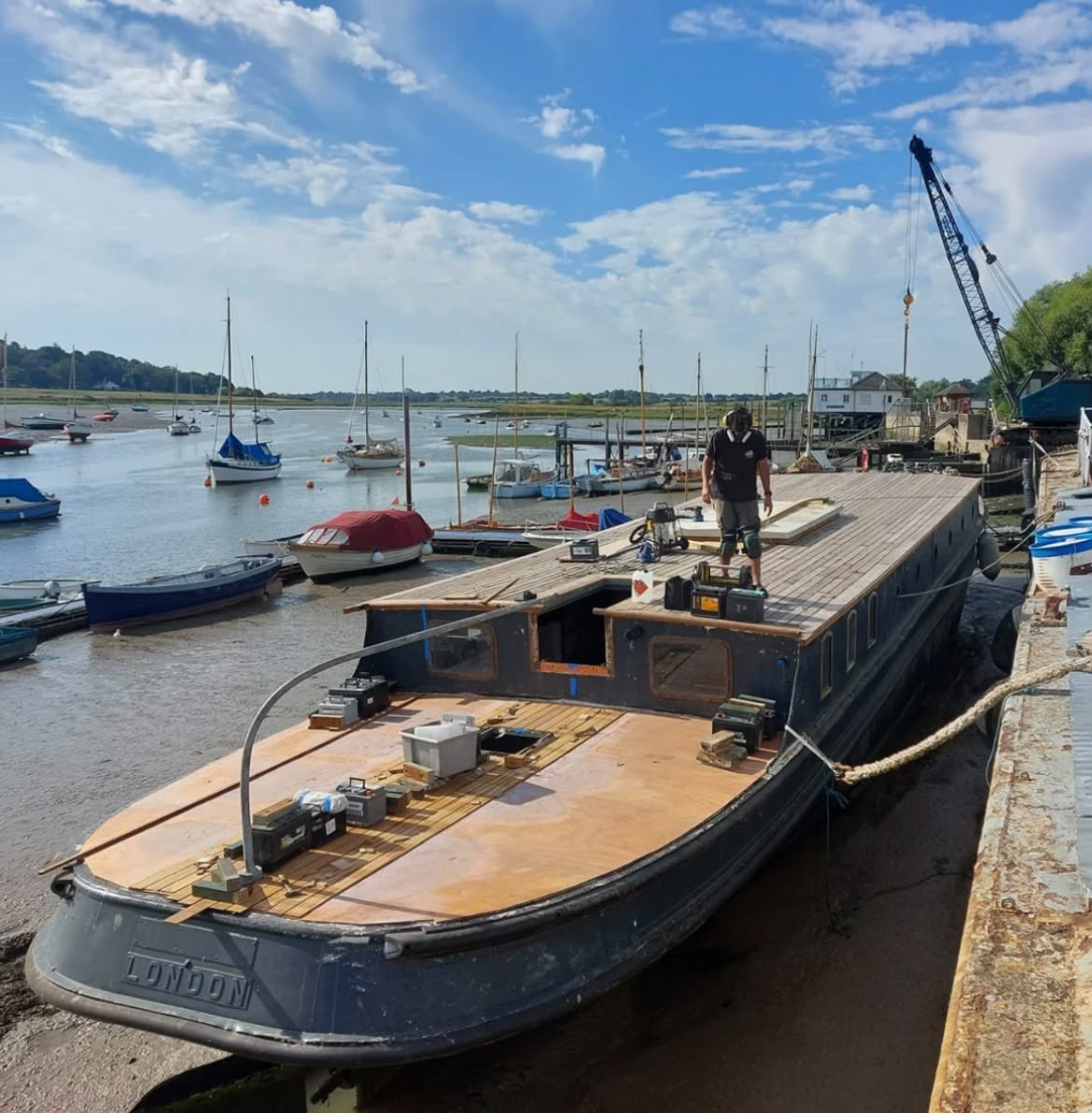
Beta II was an old Thames fire barge that had been converted into a liveaboard, requiring a major overhaul of the main deck.
As part of the restoration, the existing teak deck was removed, exposing the underlying structure and allowing the deck to be prepared for a complete rebuild. A new plywood substrate was fitted, followed by new iroko planking laid across the main deck.
EVERY PROJECT MATTERS
The details make the difference.
Whether it’s a small repair or a larger boatbuilding project, I approach every job with the same care, respect for the craft and commitment to doing it properly.